Why Deck Stain Peels, and How to Stop It Happening Again
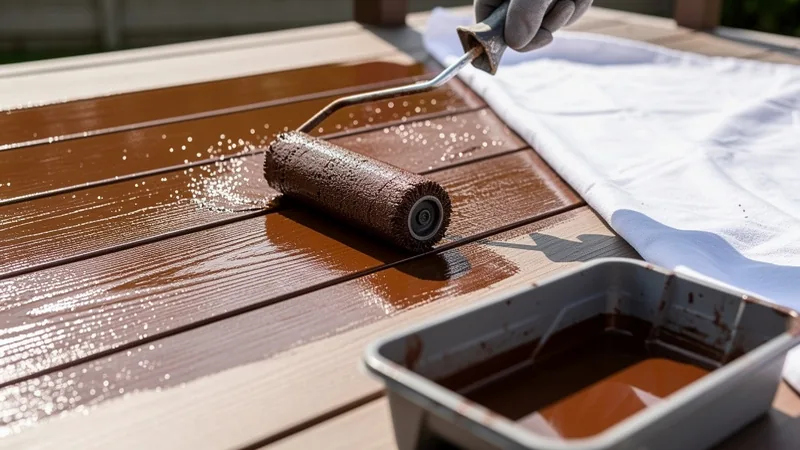
Few things make a deck look worse than stain coming off in flakes a year after it went on. In St. Joseph's mix of humid summers, hard sun on south-facing decks and freeze-thaw winters, peeling has three usual causes. The first is the product: solid stains and deck paints form a film on top of the wood. On a vertical surface that can last; on horizontal boards, water gets under it through every scratch and end grain, and it lifts. The second is prep: a new coat put over old, flaking stain only bonds as well as the layer underneath, so it fails with it. The third is timing: staining wood that's still wet, from rain, washing or brand-new treated lumber that hasn't dried out, traps moisture under the finish. The lasting fix is to strip or sand the deck back to bare wood, let it dry for a few sunny days, and switch to a penetrating oil-based or semi-transparent stain that soaks into the wood rather than coating it; it fades instead of peeling, and a fresh coat goes straight on top. A simple water test tells you when the deck is ready: if drops soak in within a few minutes, the wood can take stain. Our deck staining and sealing service includes the stripping and prep; if the boards themselves are cracked or soft, see deck repair first.
📞 Call (816) 596-2985